
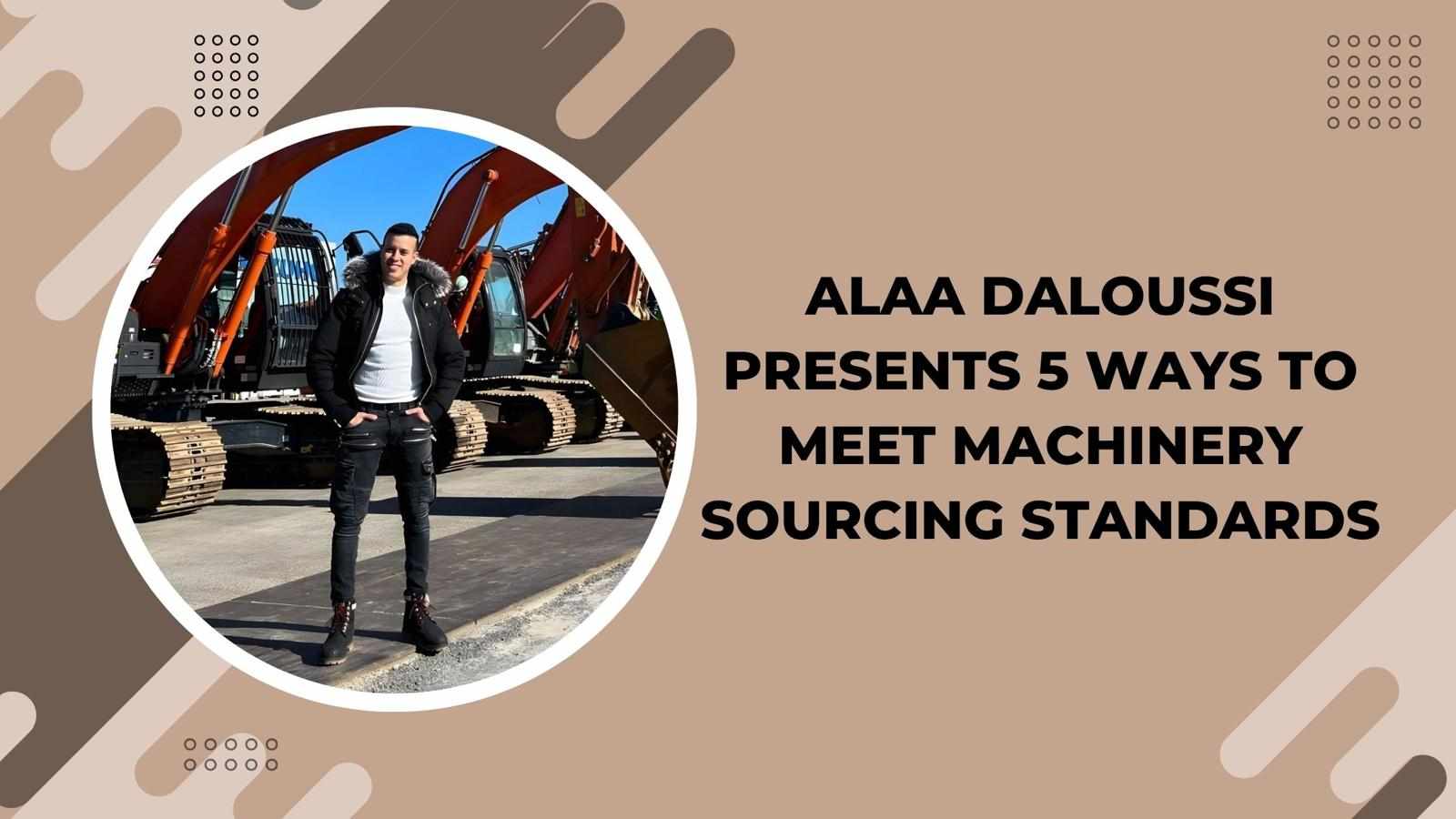
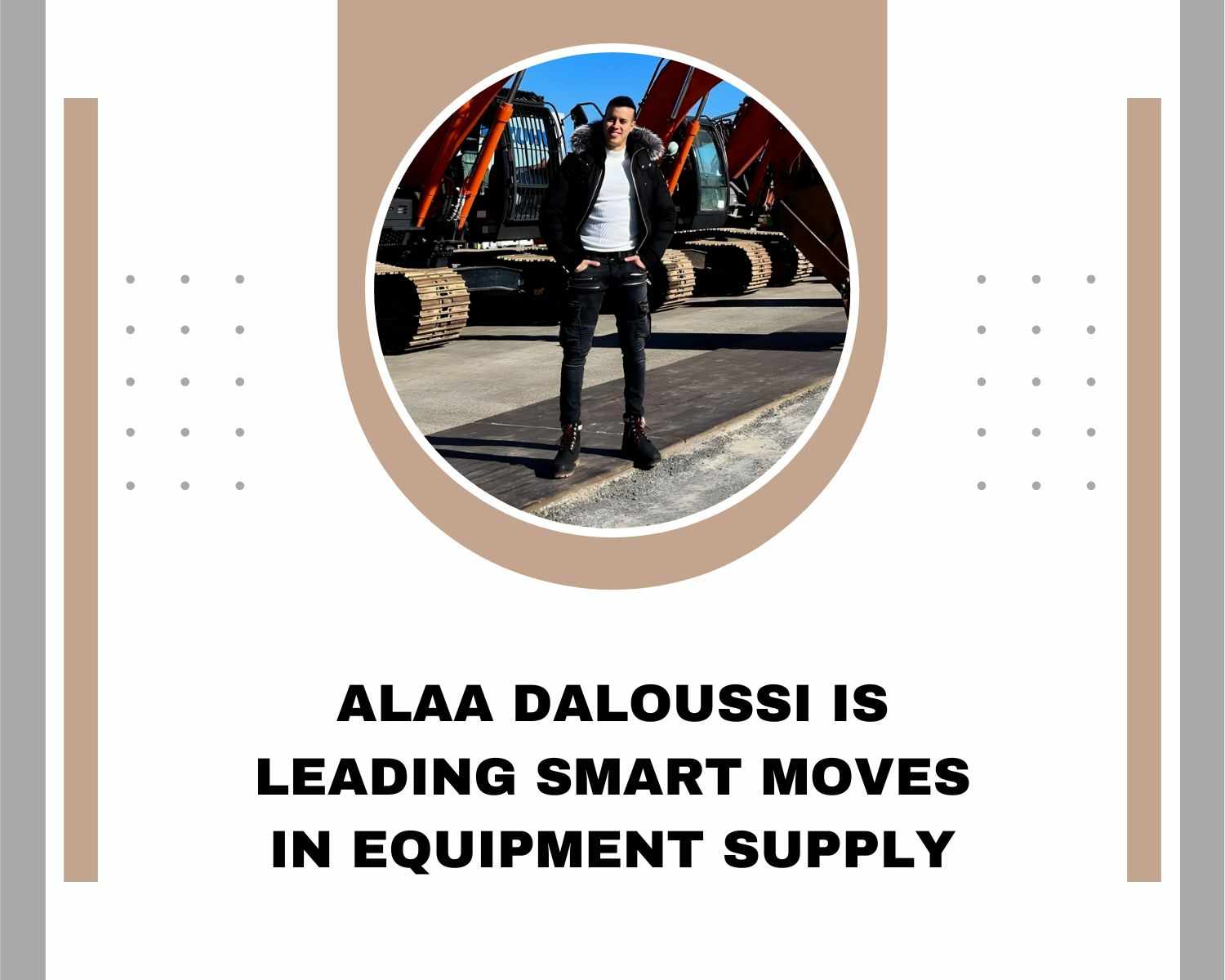
Alaa Daloussi is an entrepreneur with experience in construction equipment, logistics, and real estate development. He focuses on practical project solutions and efficient operations. Alaa Daloussi explains 8 ways to improve equipment management. He discusses the importance of regular maintenance, equipment inspections, and proper operator training. He also highlights how tracking equipment usage, planning maintenance schedules, and following safety procedures can help reduce downtime and prevent costly repairs. Effective equipment management helps improve productivity, supports smoother job site operations, and extends equipment life. These simple and practical strategies can help construction teams work more efficiently and achieve better project results.
1. Follow a Regular Maintenance Plan
Regular maintenance helps keep equipment in good condition. Machines that receive routine servicing are less likely to experience breakdowns. Simple tasks such as checking oil levels, replacing filters, and inspecting important parts can help prevent larger problems. A maintenance plan also helps extend equipment life and improve reliability.
2. Perform Frequent Equipment Inspections
Equipment inspections should be completed regularly. Operators and managers can look for signs of wear, leaks, loose parts, or damaged components before equipment is used. Finding problems early can reduce repair costs and prevent unexpected delays. Regular inspections also help create a safer work environment.
3. Provide Proper Operator Training
Well-trained operators play an important role in equipment management. Training helps workers understand how to operate equipment safely and correctly. It can also reduce equipment damage caused by improper use. Skilled operators often improve productivity and help machines perform more efficiently.
4. Track Equipment Usage
Tracking equipment usage can provide useful information about machine performance. Managers can monitor operating hours, fuel consumption, and usage patterns. This information helps identify equipment that may need maintenance or replacement. Tracking usage also supports better planning and resource management.
5. Keep Detailed Equipment Records
Accurate records help organize equipment information. Maintenance history, inspection reports, repair details, and operating data should be stored and updated regularly. Good record keeping makes it easier to schedule maintenance and monitor equipment performance over time. It also helps managers make informed decisions.
6. Schedule Maintenance in Advance
Planning maintenance ahead of time can help avoid unexpected breakdowns. Waiting until equipment fails can lead to costly repairs and project delays. Scheduled maintenance allows teams to service equipment at the right time without disrupting daily operations. This approach helps improve efficiency and reduce downtime.
7. Follow Equipment Safety Procedures
Safety procedures are important for both workers and equipment. Operators should follow safety guidelines and use equipment according to manufacturer recommendations. Proper safety practices can reduce accidents, prevent equipment damage, and support smoother job site operations. A safe work environment benefits everyone involved in a project.
8. Store Equipment Properly
Proper storage helps protect equipment when it is not being used. Machines should be kept in secure areas and protected from harsh weather conditions whenever possible. Good storage practices can reduce wear and damage, helping equipment remain in good condition for longer periods. Proper storage also helps maintain equipment value.
Conclusion
Improving equipment management does not always require complicated solutions. According to Alaa Daloussi, simple practices such as regular maintenance, inspections, operator training, usage tracking, record keeping, maintenance scheduling, safety procedures, and proper storage can make a significant difference. These practical strategies help reduce downtime, improve productivity, and extend equipment life. By focusing on these eight areas, construction teams can manage equipment more effectively and support better project results.






Write a comment ...