
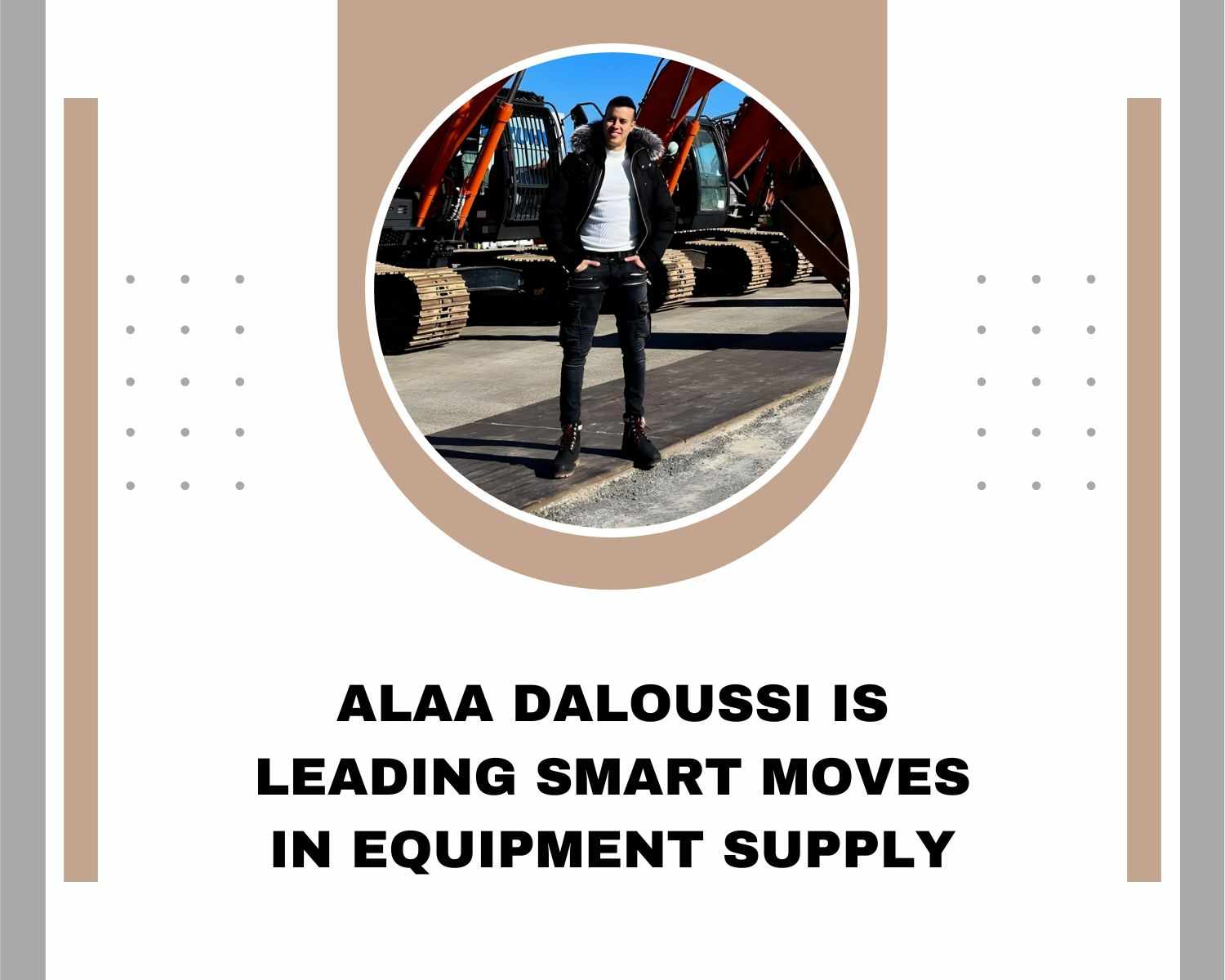
Alaa Daloussi is a skilled entrepreneur known for his work in construction equipment and real estate. He believes in simple planning and clear execution. Alaa Daloussi shares 6 tips to improve heavy equipment project execution. He explains that setting clear goals helps teams stay organized. Using well-maintained equipment reduces downtime. Proper training helps workers perform tasks safely. Good coordination between teams improves workflow. Keeping schedules updated ensures timely completion. Reviewing progress regularly helps fix issues quickly. These easy steps help projects run smoothly, improve efficiency, and reduce delays, making work more organized and successful.
1. Define the Work Scope
Start by clearly defining the work scope. This means understanding what needs to be done and what equipment is required. A clear scope helps avoid confusion and keeps the project on the right path. It also helps the team know their roles and responsibilities. When the scope is clear, planning becomes easier and more accurate. It reduces the chances of mistakes during execution. Teams can prepare better resources and time schedules. It also helps in setting realistic goals for the project. Overall, a well-defined scope makes the project more organized and easy to manage.
2. Use Well-Maintained Equipment
Always use equipment that is in good condition. Regular checks and maintenance help prevent breakdowns and keep the work running smoothly without delays. Well-maintained machines also improve safety on the site. They perform better and give more accurate results during work. Small issues should be fixed early before they become bigger problems. Cleaning equipment regularly also helps extend its life. Using proper parts and timely servicing keeps machines reliable. This simple habit helps save time, reduce costs, and improve overall project efficiency. It also reduces unexpected downtime during important tasks. Teams can work with more confidence when equipment is reliable. Proper maintenance also supports better planning and smoother daily operations.
3. Provide Proper Operator Training
Make sure all operators are properly trained. When workers know how to use machines correctly, it improves safety and helps complete tasks more efficiently. Proper training also reduces the risk of accidents on site. It helps operators understand safety rules and follow them correctly. Trained workers can handle equipment with more confidence. They can also identify small issues before they become big problems. Regular training updates keep skills fresh and improve performance. This leads to smoother work and better project results. Training also helps workers understand different types of equipment. It improves their ability to handle unexpected situations. Skilled operators can work faster without making mistakes. It also builds trust within the team. In the long run, proper training saves time and reduces repair costs.
4. Improve Team Coordination
Good coordination between team members is very important. Clear communication helps everyone understand their role and keeps the workflow smooth. Teams should have regular meetings to discuss progress and tasks. Sharing updates on time helps avoid confusion. Everyone should know their responsibilities clearly. Using simple tools can help track work and communication. Team members should support each other when needed. Quick problem-solving keeps work moving forward. Respect and teamwork create a positive work environment. Strong coordination helps complete tasks faster and with better results.
5. Follow a Clear Timeline
Create a simple timeline for all tasks and follow it properly. This helps manage time better and ensures that the project is completed without delays. A clear timeline gives direction to the team. It helps everyone know what to do and when to do it. Breaking work into small steps makes it easier to handle. It also helps in tracking daily progress. Delays can be identified early and fixed on time. Proper timing improves overall workflow. It keeps the project organized and running smoothly. A timeline also helps in setting clear priorities for each task. It makes planning daily work easier for the team. Small deadlines keep everyone focused and active. It reduces last-minute pressure and confusion. Teams can adjust work if something unexpected happens. Overall, it helps maintain better control and steady progress.
6. Review Progress Regularly
Check the progress of the project regularly. This helps identify problems early and fix them quickly, keeping everything on track. Regular reviews help teams understand what is going well. It also shows where improvements are needed. Small issues can be solved before they become big problems. Daily or weekly checks keep the work organized. It also helps in better planning for the next steps. Team members stay updated with the current progress. Managers can make quick decisions when needed. This simple habit improves overall project performance and reduces delays.
Conclusion
Successful heavy equipment project execution does not require complex methods. Simple steps like clear planning, proper training, good communication, and regular checks can make a big difference. When teams follow a clear scope, maintain equipment, and work with a proper timeline, projects become easier to manage. Regular progress reviews help avoid delays and fix problems quickly. These practical tips help improve efficiency, reduce risks, and create better results. By following these simple ideas, teams can complete projects smoothly, stay organized, and achieve long-term success in their work.






Write a comment ...