
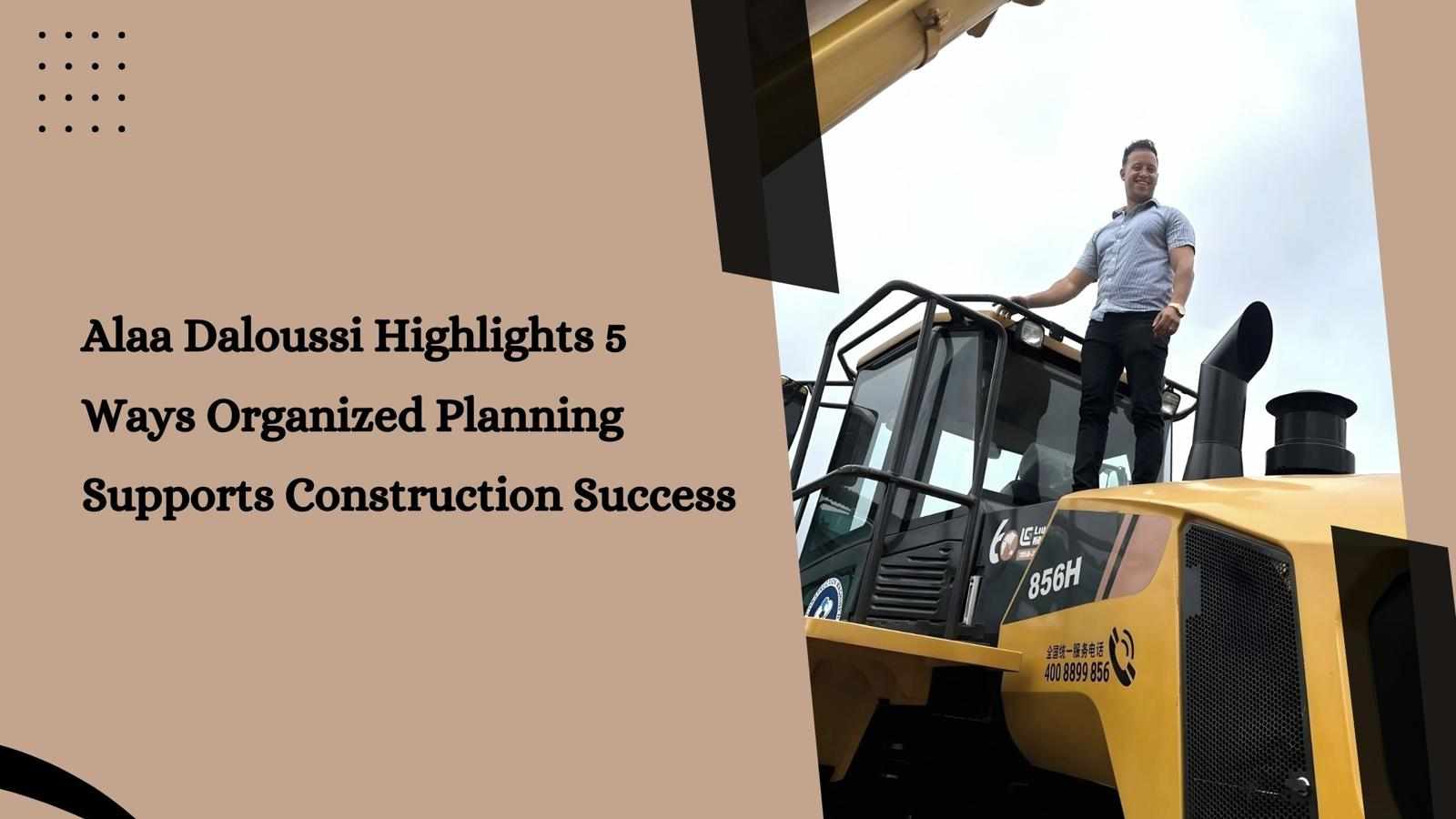
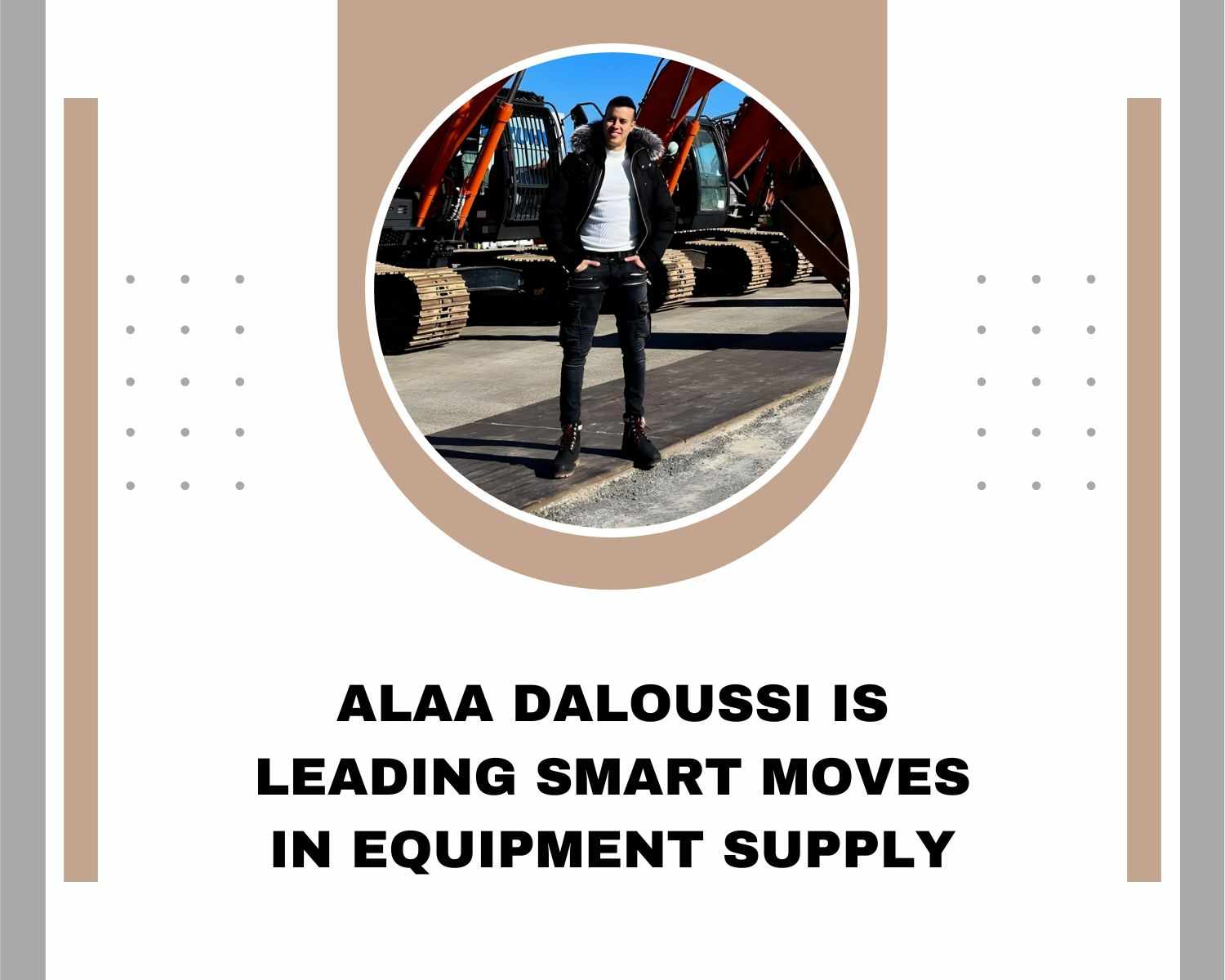
Alaa Daloussi works as an entrepreneur in construction equipment and real estate. He is known for using simple methods, clear planning, and strong coordination in his work. In this guide, Alaa Daloussi explains 7 key steps in construction equipment distribution. He covers how to choose reliable partners, plan sourcing, and follow important rules. The process also includes organizing transport, tracking shipments, and keeping clear communication between teams. He highlights the value of timing and proper coordination to avoid delays. Each step is easy to understand and helps improve efficiency while reducing risk in construction equipment distribution.
1. Pick Strong Equipment Partners
Choosing strong equipment partners is an important step in construction distribution. Good partners provide quality equipment, fair pricing, and clear delivery timelines. They communicate well and respond quickly when needed. Working with reliable partners helps reduce delays and avoid unnecessary problems. It is also helpful to review their past work and reputation before making a decision. Strong partnerships create better coordination between teams and make the entire process more smooth, simple, and easy to manage for every project involved.
2. Set Equipment Priorities
Setting equipment priorities helps teams focus on what is most important for the project. It is useful to decide which equipment is needed first and which can come later. This depends on project timelines, site needs, and budget. Clear priorities help avoid confusion and reduce delays. Teams can plan better and use resources in a smarter way. By setting simple priorities, the whole distribution process becomes more organized, efficient, and easier to manage from start to finish.
3. Verify Required Approvals
Before moving any equipment, it is important to check that all required approvals are in place. This includes permits, documents, and basic safety clearances. Simple verification helps avoid delays, fines, or last-minute issues. Teams should confirm that everything is approved by the right authorities and matches project needs. Keeping records organized also makes the process easier. When approvals are checked early, it supports smooth movement of equipment and keeps the distribution process clear and well-managed.
4. Coordinate Transport Plans
Transport plans should be well organized before moving any equipment. It is important to decide how and when the equipment will be moved. Teams should work together to choose the best routes and transport methods. Good coordination helps avoid delays and confusion during delivery. Clear scheduling also makes the process easier to manage. When transport plans are properly arranged, equipment reaches the site on time and in good condition, supporting smooth and efficient project work.
5. Follow Shipment Progress
It is important to follow shipment progress during the delivery process. This means checking where the equipment is and how it is moving from one place to another. Simple tracking helps teams stay updated and avoid confusion. If there is any delay or issue, it can be noticed early and fixed quickly. Regular updates also improve communication between all teams. Following shipment progress keeps the work organized and helps ensure that equipment reaches the right place on time.
6. Promote Open Communication
Good communication is very important in construction equipment distribution. Teams should share updates clearly and on time so everyone knows what is happening. This includes suppliers, transport staff, and project managers. Open communication helps avoid confusion, mistakes, and delays. When people talk and share information regularly, problems can be solved quickly. It also builds better teamwork and trust. Simple and clear communication makes the whole process easier, faster, and more organized for all parties involved in the project.
7. Reliable Delivery
Reliable delivery means making sure equipment reaches the site safely and on time. It is important to follow proper planning, handling, and transport steps to avoid any damage or delay. Teams should stay organized and keep checking progress during the delivery process. Good coordination between all parties helps everything run smoothly. When delivery is reliable, projects move forward without problems and work is completed as planned. This makes the whole construction process easier and more efficient.
Conclusion
In conclusion, Alaa Daloussi shows a simple and effective way to manage construction equipment distribution. His seven steps focus on planning, coordination, and clear communication. By following these methods, businesses can reduce delays, avoid risks, and improve efficiency. This structured approach helps ensure smooth operations and successful project completion in the construction industry.








Write a comment ...