
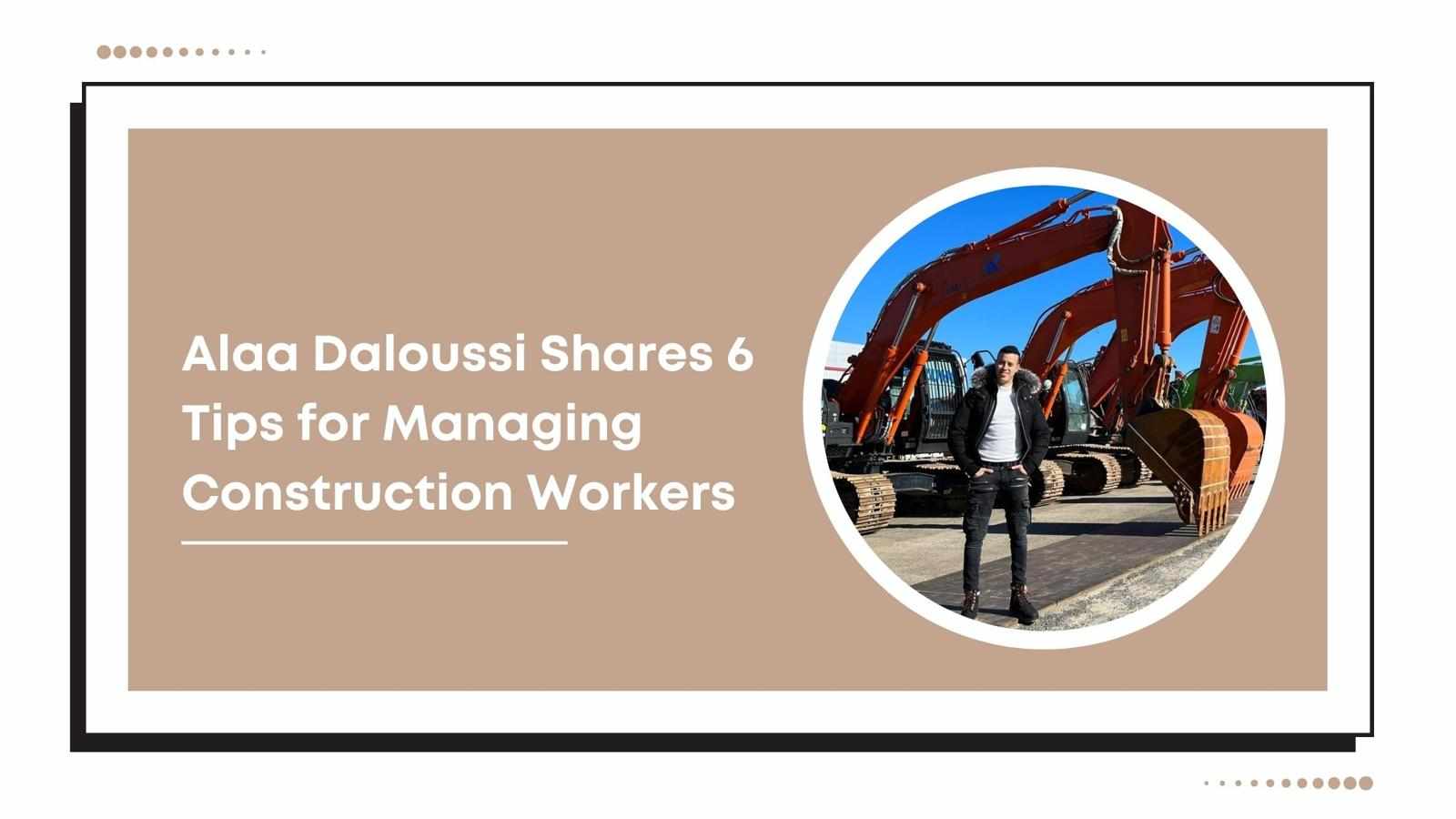
Alaa Daloussi is a knowledgeable professional working in real estate and construction projects. Through his experience, Alaa Daloussi offers practical advice to help first time investors make confident and well planned property decisions. His guidance focuses on reducing risk, protecting property value, and building long term financial stability. He explains 8 simple and important tips for beginners in property investment. The focus is on budgeting carefully, choosing the right location, studying the market, checking legal documents, inspecting building quality, planning rental income, thinking long term, and maintaining the property properly. The purpose is to show how careful planninproblems.
g and responsible ownership can create steady returns, financial security, and gradual wealth growth.
1. Know Your Budget Clearly
The first and most important step is understanding your financial limits. Many new investors only consider the purchase price, but property investment includes several additional costs. These may include registration charges, legal fees, taxes, repair work, furniture, and ongoing maintenance. If you are using a loan, calculate interest rates and monthly payments carefully. Make sure the investment does not create financial stress. It is always wise to keep emergency savings for unexpected expenses. A realistic budget allows investors to plan upgrades, handle repairs, and manage payments comfortably without pressure.
2. Select a Strong Location
Location directly affects property demand and long term value. A property near schools, hospitals, shopping areas, offices, and public transport usually attracts more tenants and buyers. Investors should also study future development plans such as new roads, metro lines, or business centers. These improvements can increase property value over time. Safety, clean surroundings, and neighborhood quality are equally important. A strong location supports steady appreciation and better rental stability.
3. Study the Market Carefully
Before making a purchase, compare similar properties in the same area. This helps you understand fair pricing and avoid paying more than the market value. Research whether the area is better for rental income or long term appreciation. Look at past price trends to understand growth patterns. Speak with local agents if necessary and observe supply and demand levels. Careful market research reduces uncertainty and improves decision making confidence.
4. Verify All Legal Documents
Legal verification protects your investment from future disputes. Always confirm ownership records, land titles, and government approvals. Check that the seller has complete ownership rights and no outstanding loans or unpaid taxes on the property. Approved building plans and completion certificates should also be verified. Proper documentation ensures security and peace of mind. Keeping organized copies of all papers will help in future resale or legal needs.
5. Inspect the Property Condition Thoroughly
The physical quality of the property plays a major role in long term costs. Carefully inspect the structure, walls, roof, plumbing, and electrical systems. Look for signs of water leakage, cracks, or poor workmanship. Even small issues can turn into expensive repairs if ignored. Consider hiring a professional inspector for a detailed review if possible. A well maintained property not only saves money but also increases resale value and tenant satisfaction.
6. Plan for Rental Income and Expenses
If you are investing for rental income, estimate expected rent realistically. Compare potential income with monthly expenses such as maintenance charges, property taxes, insurance, and loan payments.Remember that properties may not always be rented continuously. Plan for possible vacancy periods. Positive cash flow ensures the property supports itself financially. Proper rental planning helps avoid financial strain and improves investment stability.
7. Focus on Long Term Growth
Real estate investment requires patience. Property values usually increase gradually over several years. Quick selling may not generate strong profits. Long term ownership allows investors to benefit from appreciation, rental income, and infrastructure development. Improvements in transportation, business growth, and public services often raise property prices. Staying patient and disciplined often leads to better financial rewards.
8. Maintain and Manage Responsibly
Regular maintenance keeps the property attractive and functional. Timely repairs, cleaning, painting, and system checks prevent major damage. Good property management also includes keeping financial records, rental agreements, and payment histories organized. Clear communication with tenants builds trust and stability. Regular inspections help identify small issues early before they become costly
Conclusion
Property investment can become a strong financial foundation when handled with planning, discipline, and responsibility. First time investors should focus on learning, careful analysis, and long term thinking instead of expecting quick profits. Strong budgeting, smart location choice, detailed research, legal safety, quality inspection, and consistent maintenance all contribute to success. With steady effort and informed decisions, beginners can reduce risks and gradually build a reliable real estate portfolio that supports long term financial security and growth.












Write a comment ...