
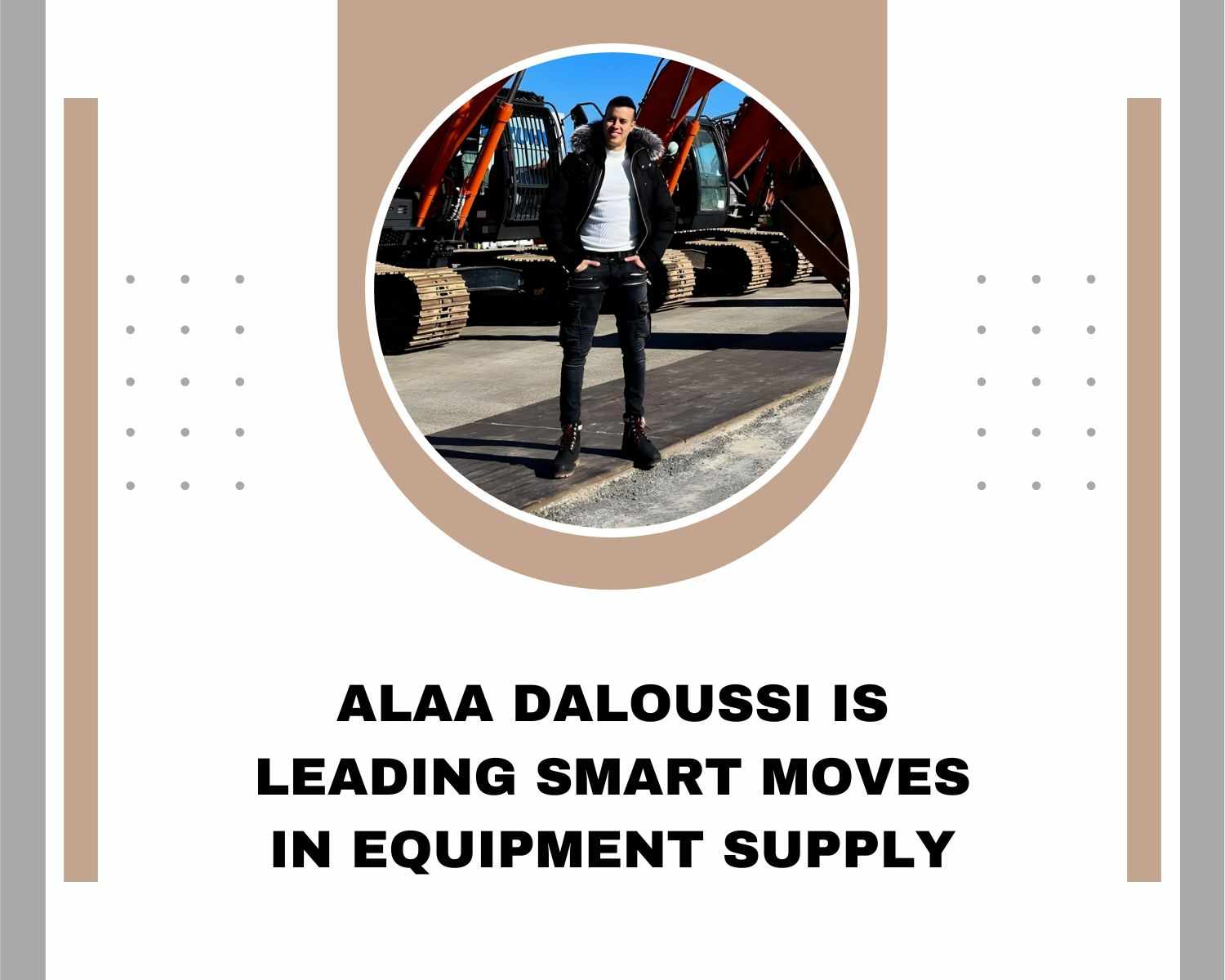
Alaa Daloussi is an experienced professional involved in real estate and construction projects. Alaa Daloussi shares practical guidance that supports long term property stability and value. He presents clear methods for improving real estate value with strong attention to construction quality and organized planning. He explains the importance of choosing the right location, maintaining solid building standards, and performing regular maintenance. It also highlights efficient use of space, careful cost control, and proper legal documentation. Future market demand and steady supervision are also discussed. The purpose is to show how construction and management decisions affect property performance and long term returns while maintaining durability, usability, and consistent asset improvement.
1. Set Clear Roles and Responsibilities
Every worker on a construction site should clearly understand their role. When duties are not defined, confusion appears. Workers may repeat the same task or ignore important work. This slows progress and causes mistakes. Before work begins, the manager should explain daily tasks, safety instructions, and work targets. Each team member should know what to do, where to work, and who they report to. Written schedules and simple task lists help workers stay organized. Clear roles also improve teamwork. Electricians, plumbers, machine operators, and laborers depend on each other. When responsibilities are assigned correctly, work flows smoothly from one stage to the next.
2. Maintain Strong Communication
Communication is one of the most important parts of worker management. A construction site is busy and noisy, so instructions must be simple and direct. Workers should receive clear daily guidance before starting work. Daily briefings help everyone understand the plan. Managers can explain tasks, safety measures, and deadlines at the start of the day. This prevents misunderstandings and reduces repeated work. Workers should also feel comfortable reporting problems. If a worker notices damaged equipment, unsafe conditions, or missing materials, the manager must be informed quickly. Quick communication prevents accidents and avoids long delays. Using notice boards, hand signals, and simple written instructions also improves understanding among workers with different skill levels.
3. Focus on Safety First
Safety must always come before speed. Construction sites contain risks such as heavy machines, sharp tools, heights, and moving vehicles. Without proper control, accidents can occur easily. Managers should make sure workers wear helmets, gloves, safety shoes, and reflective vests. Protective equipment must be available and checked regularly. Tools and machines should also be inspected before use. Clear safety rules should be followed every day. Walkways must stay clear, electrical wires must be protected, and heavy loads must be handled carefully. Workers should never rush dangerous tasks. Regular safety checks help reduce injuries. A safe site builds trust and keeps work consistent. When workers feel protected, they focus better and perform tasks correctly.
4. Plan Work and Manage Time Properly
Good planning keeps construction projects organized. Without planning, workers wait for materials, machines remain unused, and deadlines get missed. Managers should prepare a daily and weekly schedule. Tasks must be arranged in the correct order. For example, foundation work must finish before structural work begins. Proper planning prevents workers from standing idle. Material delivery should also match the work schedule. Late deliveries slow progress and increase costs. Equipment availability must be confirmed before assigning tasks. Time tracking helps identify slow areas. If one stage takes longer than expected, adjustments can be made quickly. Organized planning keeps workers productive and reduces pressure near deadlines.
5. Provide Training and Guidance
Construction workers have different skill levels. Some are experienced, while others are new to the job. Proper guidance helps all workers perform safely and efficiently. Before starting new tasks, workers should receive basic instructions. They must learn how to handle tools, operate machines, and follow safety procedures. Training reduces mistakes and protects equipment. Supervisors should monitor work regularly. Correcting small errors early prevents bigger problems later. Continuous guidance improves confidence and skill development. Training also helps workers adapt to new equipment and building methods. Skilled workers complete tasks faster and produce better quality results.
6. Build Discipline and Team Respect
A construction site needs discipline to function properly. Workers must arrive on time, follow instructions, and respect safety rules. Clear policies help maintain order. Managers should be firm but fair. Rules should apply equally to all workers. Consistent supervision prevents careless behavior and improves responsibility. Respectful treatment also improves performance. Workers who feel valued cooperate more and communicate better. Positive teamwork reduces conflicts and creates a stable work environment. Encouraging cooperation between teams improves efficiency. When workers support each other, tasks move faster and mistakes decrease.
Conclusion
Managing construction workers requires organization, patience, and clear direction. A successful project depends on communication, safety, planning, and teamwork. By assigning clear roles, maintaining communication, ensuring safety, planning work carefully, providing training, and encouraging discipline, managers can create a productive and reliable workforce. Strong worker management leads to fewer delays, better quality construction, and safer working conditions. When a team is guided properly, construction projects progress smoothly from start to finish and achieve long-lasting results.









Write a comment ...