
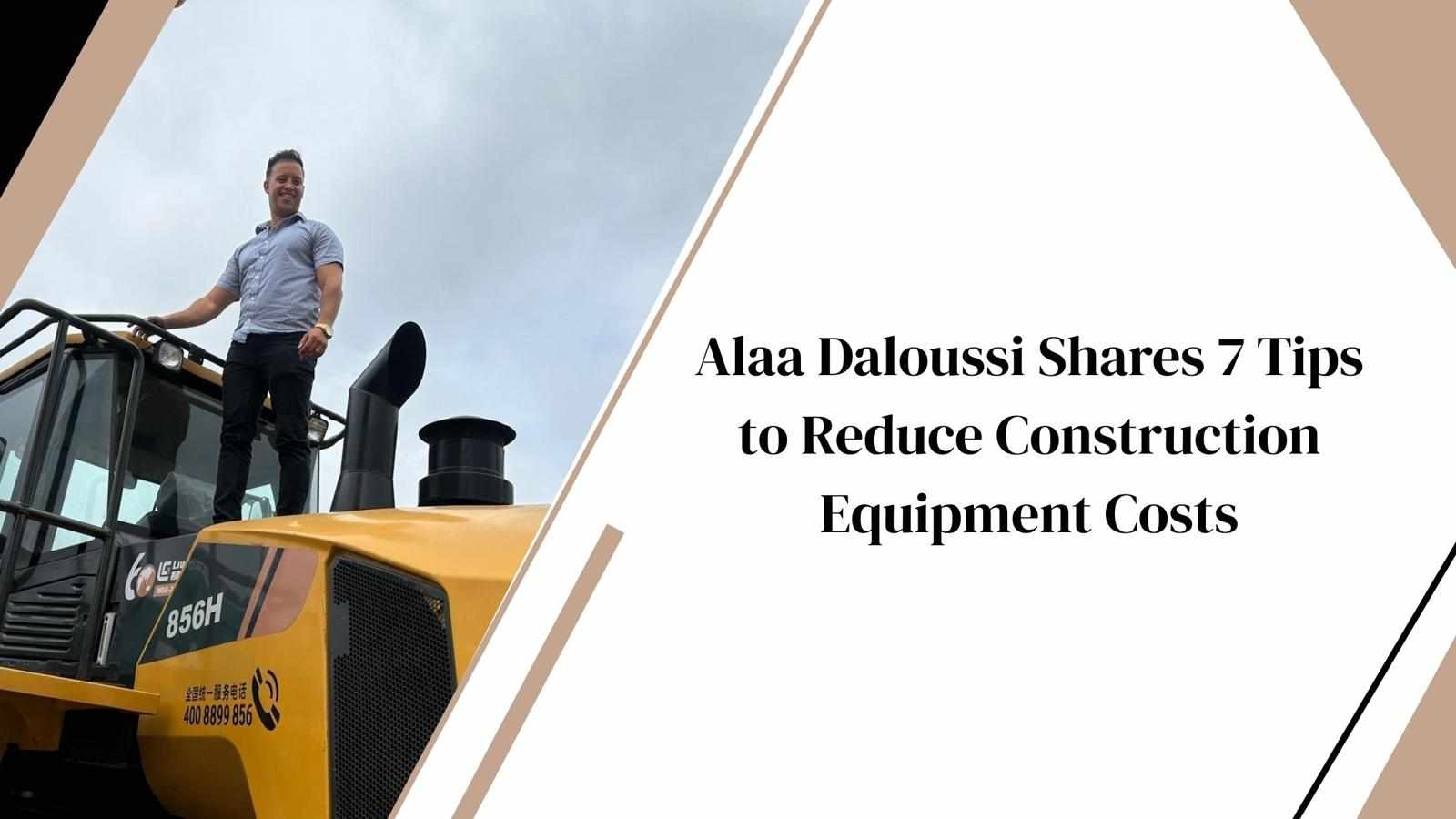
Alaa Daloussi is a forward-thinking professional with strong experience in construction equipment and project planning. He focuses on practical choices that improve efficiency and long-term value. Alaa Daloussi shares 7 simple tips for picking the right machinery for any project. It explains how understanding job needs, machine performance, durability, safety, and maintenance helps avoid costly mistakes. It also highlights the importance of choosing equipment that fits work conditions and delivers value over time. These tips support smoother operations, better productivity, and more reliable project outcomes.
1. Understand the Job Requirements
Clear job requirements are the foundation of smart machinery selection. The type of work, workload size, and duration should be clearly defined before choosing equipment. Machines that are too small may struggle to keep up, while oversized machines may waste resources. Understanding job demands helps avoid these issues. Proper alignment between machinery and work tasks improves efficiency, reduces stress on equipment, and supports smoother daily operations.
2. Focus on Machine Performance
Strong and consistent performance is essential for productivity. Machinery should operate smoothly without frequent interruptions. Performance includes power output, operating speed, and ability to handle continuous use. Machines that perform well help maintain steady workflows and reduce project delays. Reliable performance also supports better planning and scheduling. Choosing machinery with proven performance helps ensure work continues without unnecessary stoppages.
3. Check Durability and Build Quality
Durability determines how well machinery holds up over time. Equipment used in demanding conditions must be built to handle pressure, vibration, and long operating hours. Strong materials and solid construction reduce the risk of breakdowns. Poor build quality often leads to faster wear and higher repair costs. Durable machinery provides stability, reliability, and longer service life, making it a smarter long-term choice.
4. Consider Maintenance and Service Needs
Maintenance requirements affect daily operations and long-term costs. Machinery that is easy to inspect and service saves time and reduces downtime. Clear maintenance schedules help prevent unexpected failures. Equipment with simple servicing needs allows teams to focus on productivity instead of repairs. Reliable service support and parts availability are also important. Well-maintained machinery performs better and lasts longer.
5. Match the Machine to the Work Environment
Every worksite has unique conditions that affect machinery performance. Space limitations, surface conditions, and weather exposure should be considered. Machines that are not suited to the environment may operate inefficiently or face higher risk of damage. Equipment designed to handle specific conditions performs more reliably. Matching machinery to the work environment helps improve safety, reduce wear, and maintain consistent output.
6. Review Safety Features
Safety features are a critical part of machinery selection. Equipment should support safe handling and operation during daily use. Stable design, clear controls, and good visibility help reduce accidents. Safety-focused machinery protects operators and surrounding workers. Strong safety features also support compliance with site standards and reduce disruptions caused by incidents. A safer machine contributes to smoother and more reliable operations.
7. Think About Long-Term Value
Long-term value goes beyond the initial purchase cost. Machinery should provide consistent performance over many years. Durable equipment with low maintenance needs offers better value over time. Efficient operation helps control fuel and operating expenses. Machines that remain reliable across multiple projects support business growth and planning. Focusing on long-term value leads to smarter investments and stronger results.
Conclusion
Choosing the right machinery requires careful planning and attention to key factors. Understanding job needs, performance standards, durability, maintenance, environment, safety, and long-term value helps guide better decisions. When these elements are considered together, machinery becomes a strong support for daily operations. The right equipment improves efficiency, reduces risk, and helps projects run smoothly from start to finish.











Write a comment ...